 When you start a business, there are endless decisions to make. Among the most important is how to structure your business. Why is it so significant? Because the structure you choose will affect how your business is taxed and the degree to which you (and other owners) can be held personally liable. Here’s an overview of the various structures.
Sole Proprietorship
This is a popular structure for single-owner businesses. No separate business entity is formed, although the business may have a name (often referred to as a DBA, short for “doing business as”). A sole proprietorship does not limit liability, but insurance may be purchased.
You report your business income and expenses on Schedule C, an attachment to your personal income tax return (Form 1040). Net earnings the business generates are subject to both self-employment taxes and income taxes. Sole proprietors may have employees but don’t take paychecks themselves.
Limited Liability Company
If you want protection for your personal assets in the event your business is sued, you might prefer a limited liability company (LLC). An LLC is a separate legal entity that can have one or more owners (called “members”). Usually, income is taxed to the owners individually, and earnings are subject to self-employment taxes.
Note: It’s not unusual for lenders to require a small LLC’s owners to personally guarantee any business loans.
Corporation
A corporation is a separate legal entity that can transact business in its own name and files corporate income tax returns. Like an LLC, a corporation can have one or more owners (shareholders). Shareholders generally are protected from personal liability but can be held responsible for repaying any business debts they’ve personally guaranteed.
If you make a “Subchapter S” election, shareholders will be taxed individually on their share of corporate income. This structure generally avoids federal income taxes at the corporate level.
Partnership
In certain respects, a partnership is similar to an LLC or an S corporation. However, partnerships must have at least one general partner who is personally liable for the partnership’s debts and obligations. Profits and losses are divided among the partners and taxed to them individually.
 First time hiring an independent contractor? Here’s what you need to know about taxes.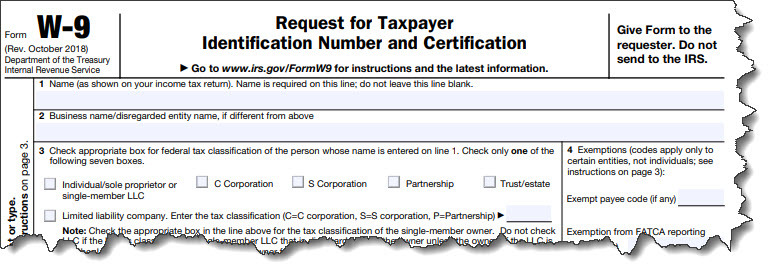

 There are always more things to learn about the applications we use every day. Here are some tips for expanding your use of QuickBooks Online.
 Carrying out a post-tax season review of your income tax return can be very helpful way to gain new insight into your financial situation. It’s a bit like looking at a familiar place from a different and fresh perspective — you never know what you might discover. See what a review of your federal income tax return might reveal about the following issues.
 While you may think it’s better to take care of your small business accounting tasks in-house, you may be surprised to know that your business can benefit from having a professional accountant or CPA handle the job for you. Here are the top three reasons to outsource your accounting.
 Any business with employees must withhold money from its employees’ paychecks for income and employment taxes, including Social Security and Medicare taxes (known as Federal Insurance Contributions Act taxes, or FICA), and forward that money to the government. A business that knowingly or unknowingly fails to remit these withheld taxes in a timely manner will find itself in trouble with the IRS.